Steroid medicines are among the most widely prescribed medications in modern healthcare, playing crucial roles in treating various medical conditions from inflammation to hormone deficiencies. Understanding the different types of steroids, their medical applications, and potential risks is essential for patients and healthcare providers alike.
What Are Steroid Medicines?
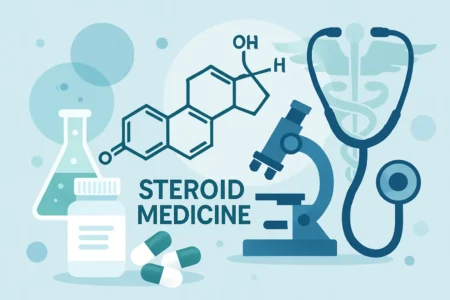
Steroid medicines are synthetic drugs that mimic naturally occurring hormones in the human body. The term “steroid” encompasses two main categories of medications with distinct purposes and mechanisms of action. These powerful drugs have been available for medical use for over 50 years and continue to be essential tools in treating numerous health conditions.
Types of Steroid Medicine
Corticosteroids (Glucocorticoids)
Corticosteroids are the most commonly prescribed type of steroid medicine. These drugs replicate the effects of cortisol, a hormone naturally produced by the adrenal glands. Medical professionals frequently prescribe corticosteroids to manage inflammation and immune system responses.
Common corticosteroids include:
- Prednisone
- Prednisolone
- Betamethasone
- Mometasone
- Hydrocortisone
- Dexamethasone
Anabolic Steroids
Anabolic steroids are manufactured forms of testosterone, the primary male sex hormone. Healthcare providers primarily prescribe these medications to treat conditions involving low testosterone levels and certain muscle-wasting diseases.
Medical Uses of Steroid Medicine
Corticosteroid Applications
Corticosteroids serve multiple therapeutic purposes in modern medicine:
Inflammatory Conditions:
- Asthma and respiratory disorders
- Rheumatoid arthritis and other autoimmune diseases
- Inflammatory bowel disease
- Allergic reactions and hives
- Lupus and other connective tissue disorders
Skin Conditions:
- Eczema and dermatitis
- Psoriasis
- Severe allergic skin reactions
Emergency Medicine:
- Severe allergic reactions (anaphylaxis)
- Acute asthma attacks
- Spinal cord injuries
- Severe inflammatory conditions
Anabolic Steroid Medical Uses
Medical professionals prescribe anabolic steroids for specific conditions:
- Hypogonadism (low testosterone)
- Muscle wasting diseases
- Severe burns requiring tissue regeneration
- Certain types of anemia
- Osteoporosis in men with low testosterone
Forms and Administration Methods
Steroid medicines are available in various formulations to suit different medical needs:
Oral Forms:
- Tablets and capsules for systemic treatment
- Liquid formulations for pediatric use
Topical Applications:
- Creams and ointments for skin conditions
- Eye drops for ocular inflammation
- Nasal sprays for allergies and sinus conditions
Injectable Forms:
- Intramuscular injections for long-term treatment
- Intravenous administration for emergency situations
- Joint injections for localized inflammation
Inhalation:
- Metered-dose inhalers for asthma
- Nebulizer solutions for respiratory conditions
Benefits of Steroid Medicine
Rapid Anti-Inflammatory Action
Corticosteroids provide quick relief from inflammation, often showing effects within hours to days of administration. This rapid action makes them invaluable for treating acute conditions and preventing tissue damage from excessive inflammatory responses.
Immune System Modulation
These medications effectively suppress overactive immune responses, making them essential for treating autoimmune diseases where the body’s immune system attacks healthy tissues.
Life-Saving Properties
In emergency situations, steroid medicines can be life-saving, particularly in cases of severe allergic reactions, acute asthma attacks, and certain types of shock.
Side Effects and Risks
Short-Term Side Effects
Common short-term effects include:
- Increased appetite and weight gain
- Mood changes and irritability
- Difficulty sleeping
- Increased blood sugar levels
- Fluid retention and swelling
- Elevated blood pressure
Long-Term Complications
Extended use may lead to:
- Osteoporosis and increased fracture risk
- Muscle weakness and atrophy
- Skin thinning and easy bruising
- Increased infection susceptibility
- Cataracts and glaucoma
- Growth suppression in children
- Adrenal gland suppression
Serious Adverse Effects
Rare but serious complications:
- Diabetes development
- Cardiovascular disease
- Mental health changes including depression
- Gastrointestinal bleeding
- Severe infections due to immune suppression
Safety Guidelines and Precautions
Proper Dosing and Duration
Healthcare providers carefully calculate steroid doses based on the condition being treated, patient weight, and individual response. The goal is always to use the lowest effective dose for the shortest possible duration.
Gradual Dose Reduction
Stopping steroid treatment requires careful medical supervision. Abrupt discontinuation can lead to withdrawal symptoms and potentially dangerous adrenal insufficiency. Doctors typically recommend gradual dose reduction over weeks or months.
Monitoring Requirements
Patients on long-term steroid therapy require regular monitoring:
- Blood pressure checks
- Blood sugar monitoring
- Bone density scans
- Eye examinations
- Regular blood tests
Drug Interactions
Steroid medicines can interact with various other medications:
- Blood thinners (increased bleeding risk)
- Diabetes medications (blood sugar effects)
- Vaccines (reduced effectiveness)
- NSAIDs (increased gastrointestinal risk)
Special Considerations
Pregnancy and Breastfeeding
Healthcare providers exercise special caution when prescribing steroids during pregnancy. While some corticosteroids are considered relatively safe, others may pose risks to fetal development. Medical supervision is essential for pregnant or breastfeeding women requiring steroid treatment.
Pediatric Use
Children receiving steroid treatment require careful monitoring for growth suppression and developmental effects. Doctors often use alternative treatments or lowest possible doses to minimize impact on growth and development.
Elderly Patients
Older adults may be more susceptible to steroid side effects, particularly osteoporosis, cardiovascular complications, and infections. Healthcare providers often adjust doses and increase monitoring frequency for elderly patients.
Alternatives and Complementary Treatments
Non-Steroidal Options
Depending on the condition, healthcare providers may consider alternatives such as:
- Nonsteroidal anti-inflammatory drugs (NSAIDs)
- Disease-modifying antirheumatic drugs (DMARDs)
- Biological therapies
- Physical therapy and lifestyle modifications
Minimizing Steroid Dependence
Medical professionals often employ strategies to reduce steroid dependence:
- Combination therapies to lower steroid doses
- Steroid-sparing agents
- Targeted therapies for specific conditions
- Lifestyle interventions to support healing
Patient Education and Compliance
Understanding Treatment Goals
Patients should understand why they’re prescribed steroid medicine, expected benefits, and potential risks. This knowledge helps ensure proper compliance and early recognition of adverse effects.
Lifestyle Modifications
Recommended lifestyle changes during steroid treatment:
- Calcium and vitamin D supplementation for bone health
- Regular exercise to maintain muscle strength
- Healthy diet to manage weight and blood sugar
- Adequate sleep and stress management
- Regular medical follow-ups
Warning Signs
Patients should be aware of symptoms requiring immediate medical attention:
- Signs of infection (fever, unusual fatigue)
- Severe mood changes or depression
- Vision problems
- Unusual bleeding or bruising
- Severe abdominal pain
Future Developments in Steroid Medicine
Targeted Delivery Systems
Researchers continue developing new delivery methods to maximize therapeutic benefits while minimizing systemic side effects. These include targeted drug delivery systems and improved topical formulations.
Personalized Medicine
Advances in genetic testing may help healthcare providers predict individual responses to steroid treatment, allowing for more personalized dosing and monitoring strategies.
Novel Steroid Compounds
Scientists are developing new steroid compounds with improved safety profiles and reduced side effects while maintaining therapeutic effectiveness.
Conclusion
Steroid medicines remain essential tools in modern healthcare, offering powerful therapeutic benefits for numerous medical conditions. While these medications can cause significant side effects, proper medical supervision, careful dosing, and patient education help maximize benefits while minimizing risks.
Patients prescribed steroid medicine should maintain open communication with their healthcare providers, adhere to prescribed dosing schedules, and report any concerning symptoms promptly. With appropriate use and monitoring, steroid medicines continue to improve quality of life for millions of patients worldwide.
The key to successful steroid therapy lies in balancing therapeutic benefits with potential risks through careful medical supervision, patient education, and individualized treatment approaches. As medical understanding continues to advance, steroid medicines will likely become even safer and more effective tools in treating human disease.
This article is for educational purposes only and should not replace professional medical advice. Always consult with qualified healthcare providers regarding steroid medicine use and any health concerns.
Frequently Asked Questions
Q: How long can I safely take steroid medicine? A: The duration depends on your condition and the type of steroid. Short-term use (days to weeks) typically poses fewer risks than long-term treatment. Your doctor will determine the appropriate duration based on your specific medical needs.
Q: Can I stop taking steroids suddenly? A: No, stopping steroids abruptly can be dangerous. Always follow your doctor’s instructions for gradually reducing the dose to avoid withdrawal symptoms and complications.
Q: Are topical steroids safer than oral steroids? A: Generally, topical steroids have fewer systemic side effects because less medication enters the bloodstream. However, prolonged use of potent topical steroids can still cause local and systemic effects.
Q: Do steroid medicines affect the immune system? A: Yes, corticosteroids suppress immune system activity, which helps reduce inflammation but may increase infection risk. This is why patients on steroids need to take extra precautions against infections.
Q: Can steroid medicine cause weight gain? A: Yes, corticosteroids commonly cause weight gain through increased appetite, fluid retention, and changes in metabolism. Maintaining a healthy diet and exercise routine can help manage weight during treatment.
Thank you for visiting our website mhnrc.org. If you liked the article, then share it with others.