
As we navigate through September 2025, COVID-19 continues to evolve with new variants dominating the landscape. The emergence of the “Stratus” variant (XFG) and other strains has brought fresh concerns about symptom recognition and public health preparedness. Understanding these new COVID symptoms is crucial for early detection, proper treatment, and preventing further transmission.
Current COVID Variant Landscape in 2025
The United States is currently experiencing a significant COVID wave driven primarily by two dominant variants: the XFG variant, colloquially known as “Stratus,” and the NB.1.8.1 variant, dubbed “Nimbus.” The XFG COVID-19 variant, aka “Stratus,” is spreading rapidly in the U.S. as cases climb, with the United States has yet to emerge from a late summer COVID wave driven by the highly infectious new “Stratus” variant, which is sickening Americans from coast to coast.
According to recent CDC data, as of Sept. 6, the level of COVID-19 viral activity in wastewater is considered “high” nationally, indicating widespread community transmission across multiple states.
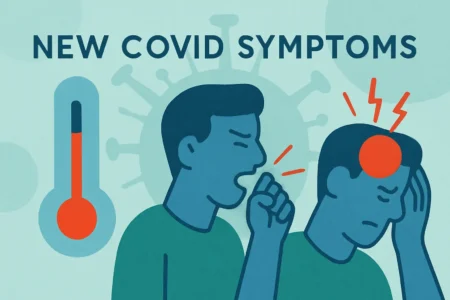
Key Symptoms of New COVID Variants
Traditional COVID Symptoms That Persist
The core symptoms of COVID-19 remain consistent across variants, including:
- Fever or chills – Often the first sign of infection
- Persistent cough – May be dry or productive
- Shortness of breath – Ranging from mild to severe
- Fatigue – Extreme tiredness that doesn’t improve with rest
- Body aches and muscle pain – Widespread discomfort
- Congestion and runny nose – Often mistaken for seasonal allergies
Possible symptoms include: Fever or chills · Cough · Shortness of breath or difficulty breathing · Sore throat · Congestion or runny nose, according to the latest CDC guidelines.
New and Distinctive Symptoms of 2025 Variants
“Razor Blade Throat” – The Signature Symptom
One of the most distinctive features of current variants is an intensely painful sore throat. Its symptoms resemble those of other Omicron offshoots — congestion, fatigue and fever — though many patients describe an unusually sharp throat pain, anecdotally known as “razor blade throat.” This symptom has become so characteristic that it’s earned the nickname associated with the variants.
Voice Changes and Hoarseness
“One of the most noticeable symptoms of the Stratus variant is hoarseness, which includes a scratchy or raspy voice,” explains Dr Khan. Patients report significant voice changes, including:
- Scratchy or raspy voice quality
- Difficulty speaking normally
- Throat clearing more frequently than usual
- scratchy, hoarse throats that resemble allergy symptoms
Allergy-Like Symptoms
Many individuals infected with the Stratus variant report symptoms that closely mimic seasonal allergies, making diagnosis challenging. These include:
- Persistent nasal congestion
- Watery or itchy eyes
- Frequent sneezing
- Post-nasal drip
According to the CDC, the symptoms of COVID-19 to look out for include: Congestion, cough, fatigue, headache and mild fever, which often overlap with common allergy presentations.
Severity and Duration of New Variants
“Though the symptoms manifest differently and vary from person to person, the symptoms of Stratus tend to be mild to moderate.” This represents a positive development compared to earlier, more severe variants. However, There is no indication that any new COVID-19 variants are causing different symptoms in terms of the core symptom profile, though presentation and severity may vary.
Long COVID Concerns
Despite milder acute symptoms, long COVID remains a significant concern. Long COVID remains a concern with symptoms like brain fog, breathlessness, fatigue, and digestive issues even after recovery. These persistent symptoms can affect individuals for months after initial infection, regardless of initial symptom severity.
Who’s Most Affected?
Current data shows interesting demographic patterns in the latest COVID wave. “Most people showing up in emergency departments right now are kids under 18”, indicating that younger populations are experiencing more severe symptoms requiring medical attention with these new variants.
Testing and Diagnosis Challenges
The COVID-19 NB.1.8.1 variant symptoms are similar to previous COVID-19 strains, including fever, cough, runny nose, and sore throat, making it difficult to differentiate the symptoms from the common cold or flu. This similarity creates significant challenges for both patients and healthcare providers in determining appropriate testing and treatment.
Additionally, because most infected people are asymptomatic, making them unaware that they are infected, the potential for unknowing transmission remains high.
Prevention and Treatment Strategies
Vaccination Remains Key
Vaccination is still your best shield. Stay updated with booster shots, especially ones targeting Omicron variants. Healthcare experts emphasize that while breakthrough infections occur, vaccination significantly reduces the risk of severe outcomes.
Immune System Support
Supporting your immune system through lifestyle choices can help reduce infection risk and severity:
- Eat immune-boosting foods – Include citrus fruits and other vitamin C-rich foods in your diet
- Maintain adequate sleep and stress management
- Stay physically active within your capabilities
- Consider proven supplements after consulting healthcare providers
For more comprehensive health strategies, explore our AI Revolution in Healthcare resource for cutting-edge approaches to health management.
When to Seek Medical Attention
Given the evolving nature of symptoms, it’s important to seek medical evaluation if you experience:
- Severe throat pain lasting more than 48 hours
- Difficulty breathing or persistent shortness of breath
- High fever that doesn’t respond to over-the-counter medications
- Symptoms that worsen rather than improve after several days
- Any combination of symptoms that concern you
Public Health Response and Recommendations
Health officials across various states are implementing targeted responses to the current surge. Some regions are recommending renewed masking in high-risk environments, particularly healthcare settings and crowded indoor spaces.
The rapid evolution of COVID-19 variants underscores the importance of staying informed about current symptoms and maintaining flexibility in our public health response strategies.
Looking Ahead: What to Expect
The virus will continue to evolve, which is why the CDC continues to monitor symptom severity. Current evidence suggests that the new variants appear less severe than previous strains, offering cautious optimism for the future.
However, the high transmissibility of variants like Stratus means that even with milder symptoms, the sheer volume of infections can still strain healthcare systems and impact communities significantly.
Conclusion
The COVID-19 landscape in 2025 presents both challenges and reasons for cautious optimism. While new variants like Stratus bring distinctive symptoms such as “razor blade throat” and voice changes, they generally appear less severe than earlier strains. The key to navigating this ongoing pandemic lies in staying informed about evolving symptoms, maintaining up-to-date vaccinations, and seeking appropriate medical care when needed.
As we continue to adapt to living with COVID-19, understanding these new symptom patterns helps us make informed decisions about our health and the safety of our communities. Stay vigilant, but remember that with proper precautions and medical care, most people continue to recover well from these newer variants.
Thank you for visiting our website mhnrc.org. If you liked the article, then share it with others.
For the latest health information and medical insights, visit our comprehensive Health Resources section for expert guidance on managing your wellbeing in 2025 and beyond.


